Community-Centered
Climate Solutions
We help governments, corporations, and development institutions design high-impact climate programs that reduce emissions while improving livelihoods.
Explore Our Services →


Specialists in climate action
where it matters most
Climate & Communities is a specialized consulting firm focused on designing scalable climate solutions that deliver measurable environmental and social impact.
Community-Based Climate Projects
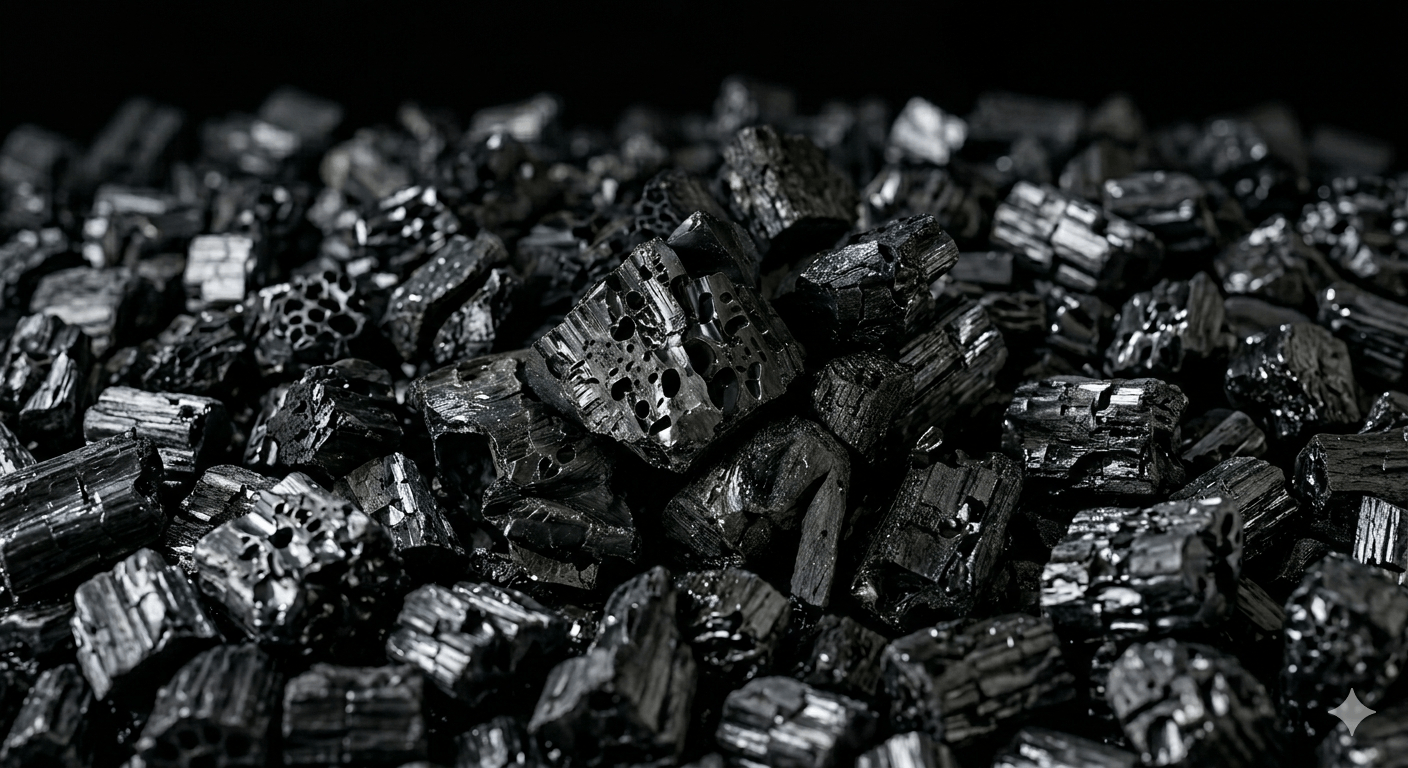
Biochar: Turning Waste into Climate Action
Biochar is created by heating agricultural or forest residues in a low-oxygen environment, producing a stable, carbon-rich material that improves soil fertility, retains moisture, and locks carbon away for centuries.
For farming communities, it reduces dependence on chemical inputs while improving yields. For investors and corporates, it offers a durable, high-integrity carbon removal pathway with strong co-benefits for biodiversity, water, and food security.
At Communities & Climate Partners, we see biochar as one of the most promising climate solutions available today — one that works, scales, and puts value directly in the hands of communities stewarding the land.
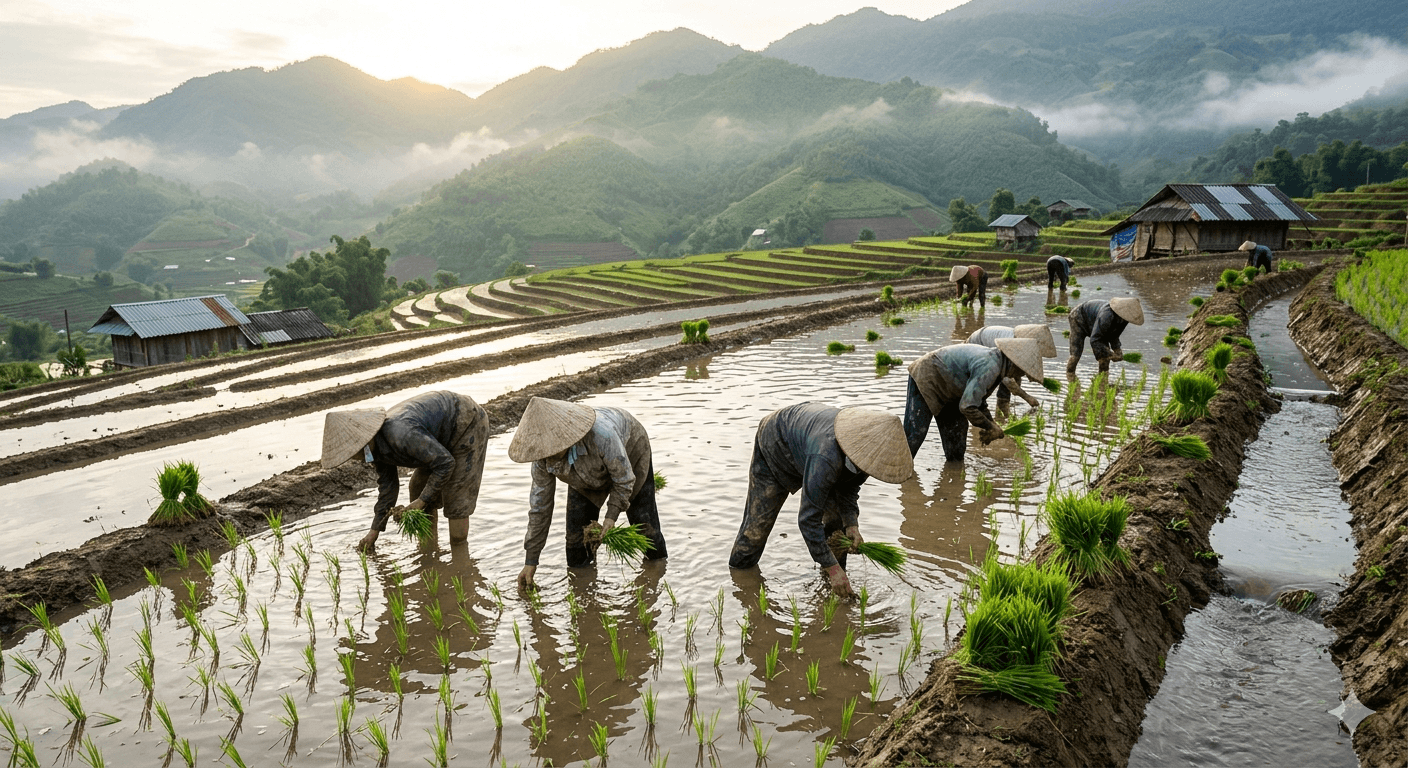
Alternate Wetting and Drying: Less Water, Less Methane, More Value
Traditional flooded rice cultivation is one of agriculture's largest sources of methane . Alternate Wetting and Drying (AWD) is a simple but powerful intervention: instead of keeping paddy fields continuously flooded, farmers allows partial dry spells between irrigation cycles.
This cuts emissions significantly without compromising yields. For farmers this means reduced water and energy costs, and additional income through carbon credits.
AWD is a rare example of a solution that is good for the climate, good for the land, and good for the people working it.
Nature-Based Solutions: Restoring Land, Rewarding Communities
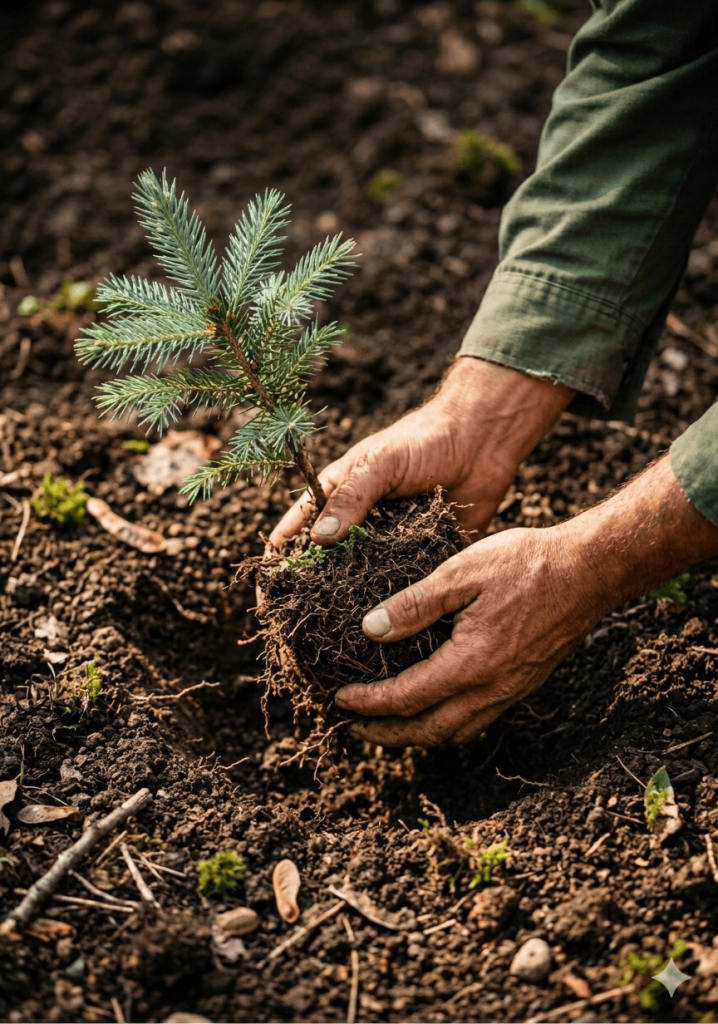
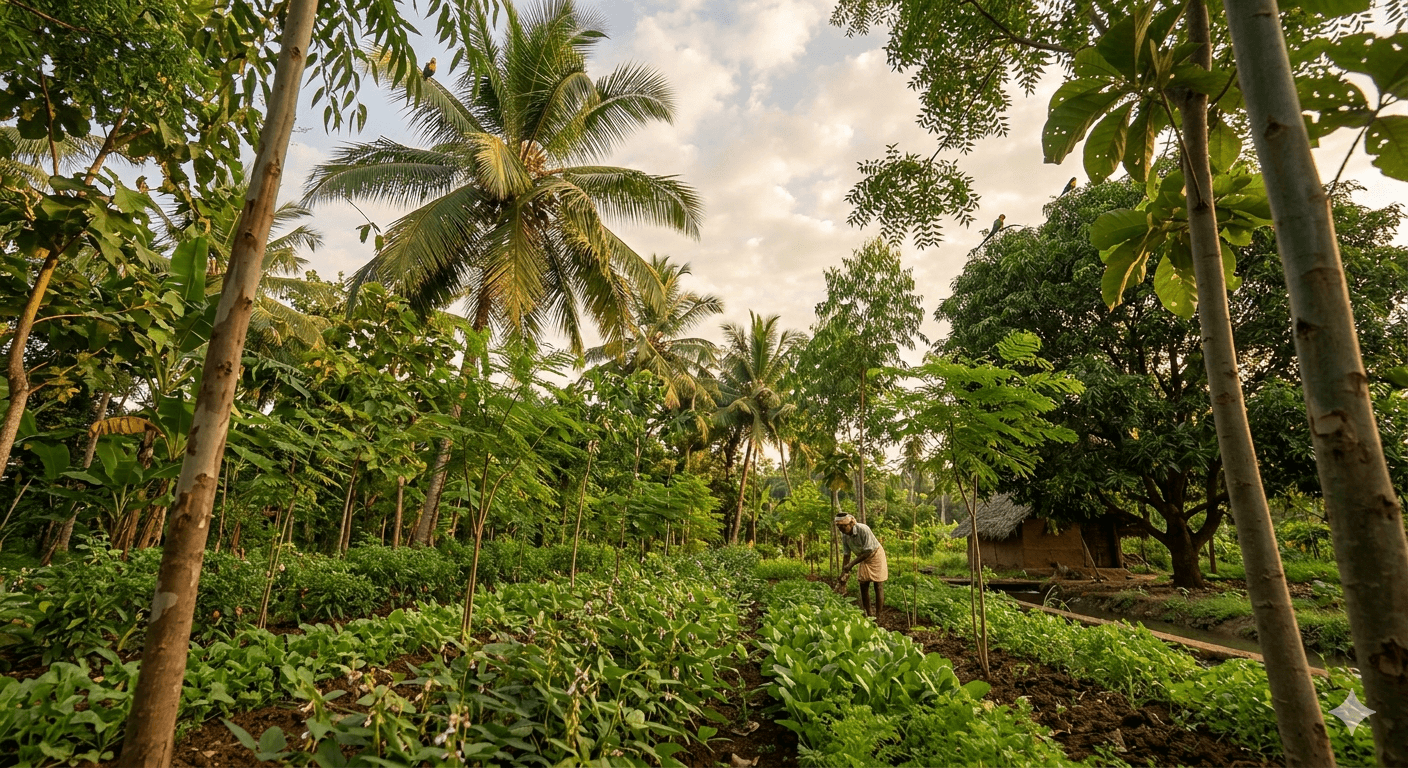
Agroforestry the latest IPCC report identifies nature-based solutions — including reducing deforestation, restoring ecosystems, and improving the management of working lands are among the top five most effective strategies for mitigating carbon emissions. And critically, they do this while creating real economic opportunities for the communities closest to the land.
Agroforestry on private land allows smallholder farmers to integrate trees into farms, improving soil health, diversifying income, and sequestering carbon
Improved Forest Management shifts existing forests from extractive practices to scientifically managed regimes that maintain carbon stocks and generate verified credits for landowners and community forest groups.
At the landscape scale, REDD+ protects large, threatened forest areas by making their standing carbon value economically competitive with the pressures driving deforestation and when structured with strong community governance, channels revenue directly into rural livelihoods, healthcare, and sustainable agriculture.
Nature-based solutions also have significant employment potential, with ILO and UNEP estimating they could generate 20 million new jobs globally.
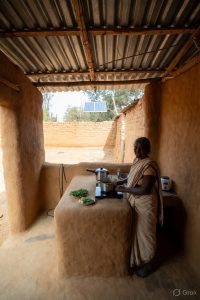
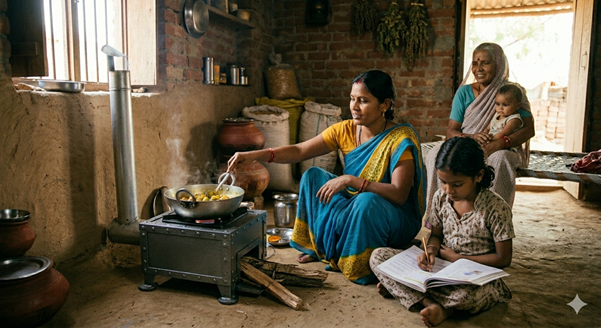
Improved Cookstoves: Cleaner Homes, Protected Forests, Climate Action
Today, 2.3 billion people still cook over open fires, breathing harmful smoke from burning wood, charcoal, and agricultural waste — causing 3.7 million premature deaths per year. Improved cookstoves cut indoor pollution, reduce firewood demand, reduced drudgery and protect forests — deforestation from cooking fuel alone strips areas the size of Ireland every year.
For projects under carbon programmes, cookstoves are provided at highly subsidized cost.
Achieving universal access requires USD 8 billion annually. Carbon finance can help close that gap.
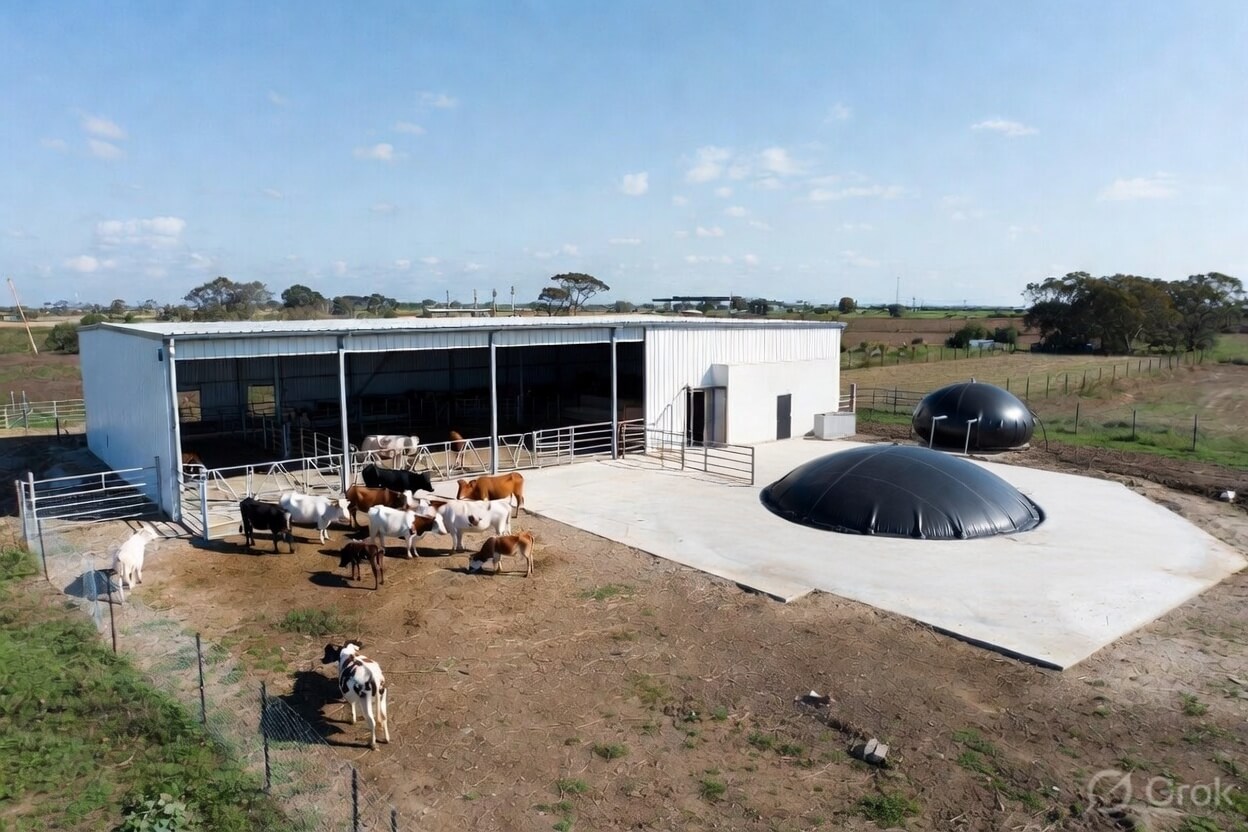
Household Biogas: Turning Waste into Clean Energy
For dairy farming communities, cow dung has long been an untapped resource — and a source of methane quietly escaping into the atmosphere. Household biogas systems change this equation by converting cow dung into clean cooking gas, while the residual slurry becomes a nutrient-rich organic fertiliser.
Farmers move away from firewood and charcoal to a reliable, clean fuel with improved air quality, reducing fuel costs. The cow shed vicinity, previously associated with waste and odour, becomes a managed system with better sanitation and hygiene.
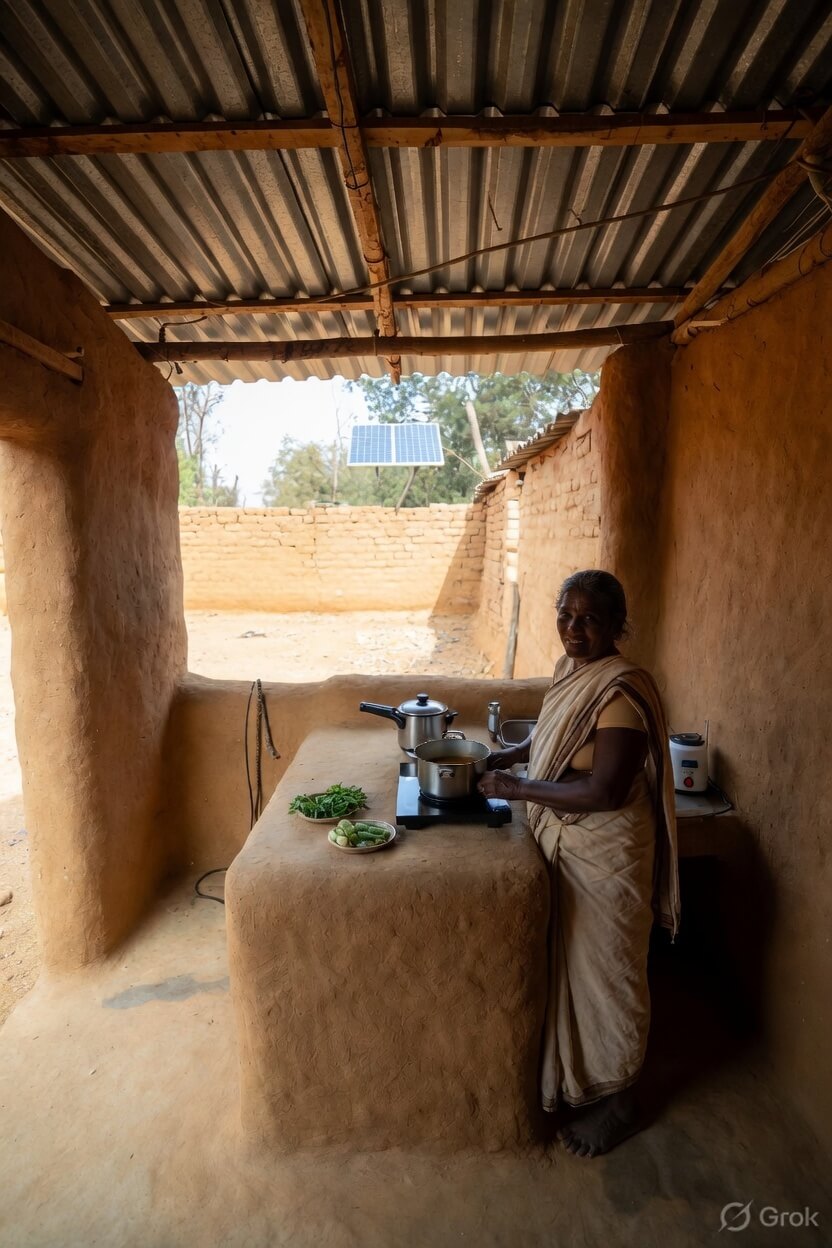
Electric Cooking: The Ultimate Clean Cooking Goal
Electric cooking powered by renewable energy is where the clean cooking journey ultimately leads!
Electric cooking for rural communities is a true leapfrog technology, allowing rural households to bypass fossil fuel infrastructure entirely and access the cleanest, most efficient cooking solution available at highly subsidized cost.
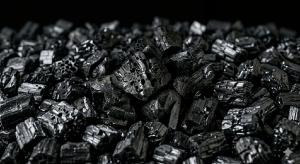
Biochar: Turning Waste into Climate Action
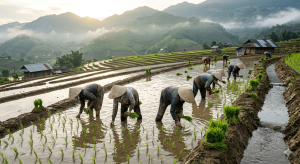
Alternate Wetting and Drying: Less Water, Less Methane, More Value
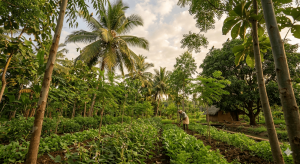
Nature-Based Solutions: Restoring Land, Rewarding Communities
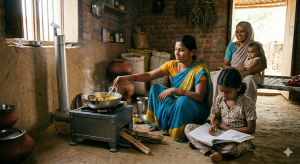
Improved Cookstoves: Cleaner Homes, Protected Forests, Climate Action
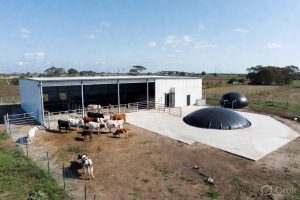
Household Biogas: Turning Waste into Clean Energy